What Happens to Windows as They Age (Even If They Still “Look Fine”)
Why Window Performance Declines Long Before Visible Failure
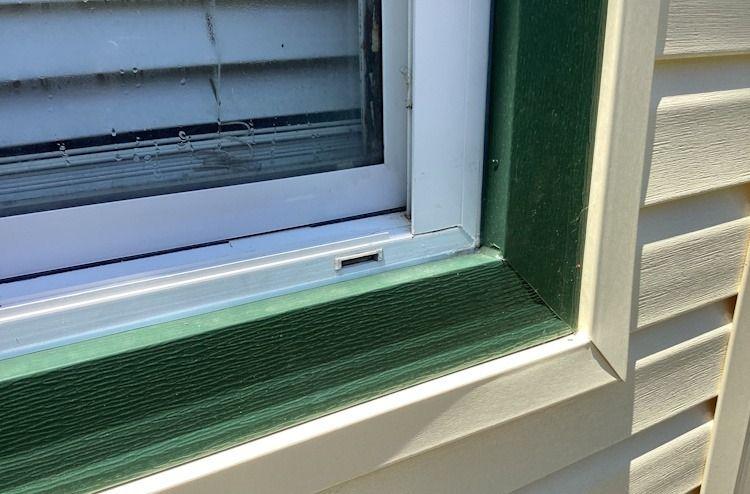
At a glance, aging windows can appear perfectly functional. The glass isn’t cracked. The frames aren’t falling apart. They still open and close. From the outside, everything may look fine.
But windows rarely fail all at once. The aging process is gradual and often invisible. Long before obvious damage appears, subtle performance decline begins beneath the surface.
Understanding what happens over time helps homeowners recognize when declining efficiency or comfort may be tied to aging windows, even if replacement doesn’t seem urgent yet.
Seal Breakdown: The First Invisible Shift
Most modern windows use insulated glass units, commonly referred to as double- or triple-pane glass. These units rely on tight perimeter seals to trap insulating gas between panes and prevent moisture infiltration.
Over time, those seals naturally weaken. Temperature swings, UV exposure, and seasonal expansion and contraction stress the materials that hold the panes together.
When seals begin to fail, insulating gas slowly escapes. Outside air and moisture may start to enter the space between panes. In early stages, this change isn’t obvious. The window still looks intact.
However, insulation performance drops. Heat transfer increases. Efficiency declines.
While lifespan varies based on window quality, installation quality, sun exposure, and climate, many homeowners begin to see seal-related performance decline somewhere around 10 to 20 years after original installation. Some windows perform well beyond that range, while others show issues sooner if materials or installation were compromised.
Eventually, condensation or fogging may appear between panes, but by then, the insulating value has already been compromised for some time.
Frame Movement and Structural Shifting
Windows are installed within structural openings that experience constant movement. Homes expand and contract with seasonal temperature changes. Foundations settle slightly over time. Framing shifts microscopically year after year.
Even well-installed units endure ongoing structural stress.
As windows age, frames can gradually lose rigidity. Vinyl may expand and contract repeatedly. Wood frames may swell or shrink with moisture exposure. Hardware loosens.
These small movements can affect alignment. The window may still open and close, but seals may no longer compress as tightly. Air infiltration increases subtly, often without obvious gaps.
In some cases, improper original window installation accelerates this process. If flashing or sealing wasn’t executed correctly, moisture exposure can reach surrounding materials, weakening them over time and contributing to continued movement over time.
Gradual Efficiency Loss
Energy efficiency doesn’t disappear overnight. It declines incrementally.
Older glass technology lacks the advanced coatings found in modern units. Low-emissivity coatings today reflect interior heat back into the home during winter and reduce solar heat gain in summer. Earlier window generations may not include these performance enhancements.
As seals weaken and frame integrity shifts, the window’s insulating value diminishes further. Drafts may not be dramatic, but rooms may feel slightly cooler near the glass. HVAC systems may cycle more frequently.
Because the decline is gradual, many homeowners attribute changes in comfort to weather patterns or aging HVAC equipment rather than window performance.
In reality, aging windows often contribute more to efficiency loss than expected.
Hardware Fatigue and Operational Wear
Window performance isn’t limited to glass and frames. Moving parts also degrade over time.
Tracks accumulate debris. Balance systems wear down. Crank mechanisms stiffen. Locking components loosen.
These changes rarely signal catastrophic failure, but they affect daily function. A window that once operated smoothly may begin to resist movement. Lock alignment may feel slightly off.
Operational fatigue also affects sealing performance. If a sash no longer closes tightly against the frame, air infiltration increases.
When evaluating older units, smooth operation and tight closure are just as important as visual condition.
Moisture Intrusion Risks
One of the most serious consequences of aging windows is unnoticed moisture infiltration.
If seals degrade or flashing around the unit weakens, water can gradually enter the surrounding wall cavity. Early signs are subtle: minor discoloration, small patches of soft trim, or slight interior bubbling near the frame.
Left unaddressed, moisture can contribute to hidden wood rot in framing components. Because this deterioration happens behind finished surfaces, it often goes unnoticed until more extensive repairs are required.
This is why professional evaluation is important when signs of performance decline appear. Even if windows “look fine,” internal components may be aging faster than expected.
Performance Declines Before Failure
A common misconception is that replacement windows are only necessary once obvious damage occurs. In reality, performance typically declines years before visible failure.
Indicators of aging may include:
- Increasing energy bills without other explanation.
- Noticeable temperature differences near windows.
- Condensation between panes.
- Slight drafts during windy conditions.
- Windows that require extra effort to open or close.
These signs don’t always demand immediate action, but they signal that efficiency and sealing integrity are no longer optimal.
Evaluating the need for window replacement should focus on performance,not just appearance.
The Role of Proper Installation
When windows are eventually replaced, the quality of window installation services plays a critical role in long-term durability.
Precise flashing, correct insulation around the frame, and proper sealing ensure the new unit performs as intended. Poor installation can shorten lifespan and accelerate the same aging issues described above.
Window aging is inevitable over decades, but correct installation significantly influences how gracefully a window ages.
When to Consider Replacement
Windows can remain structurally intact for many years while gradually losing efficiency. The decision to pursue replacement windows should be based on performance, comfort, and risk factors, not solely visible damage.
If seal failure is evident, drafts are increasing, or moisture signs appear, professional assessment is recommended. Addressing aging windows before structural damage develops helps prevent more extensive repairs later.
In many cases, homeowners are surprised to learn that their windows have been underperforming for years before any visible defect emerged.
Aging Is Inevitable, Awareness Is Preventative
Every component of a home ages. Windows are no exception. What makes them unique is how quietly that aging process unfolds.
Seal breakdown, frame movement, and efficiency loss happen gradually. A window can look intact while its insulating performance steadily declines.
Understanding this invisible progression empowers homeowners to make informed decisions — evaluating performance before total failure forces urgent action.
Windows don’t have to shatter or fall apart to justify attention. Sometimes, the most important changes are the ones you can’t immediately see.
Recent Posts
- Can You Accent Your Home With Siding?
- Hire a Siding Installation Team Built on Confidence, Pride, and Peace of Mind
- Shake Accents, Shutters, and Trim: Finishing Touches That Transform House Siding
- Patching Versus Replacement Siding: Which Is the Money Pit?
- Your Front Door and Windows and Doors Are Making a First Impression Without You
Schedule a Consultation
+ Get Our Current Special
Real Customers That Really Love Their Home

His Home Was Falling Apart And He Had No Idea...Luckily We Found The Damage Just In Time



Schedule a Consultation
+ Get Our Current Special
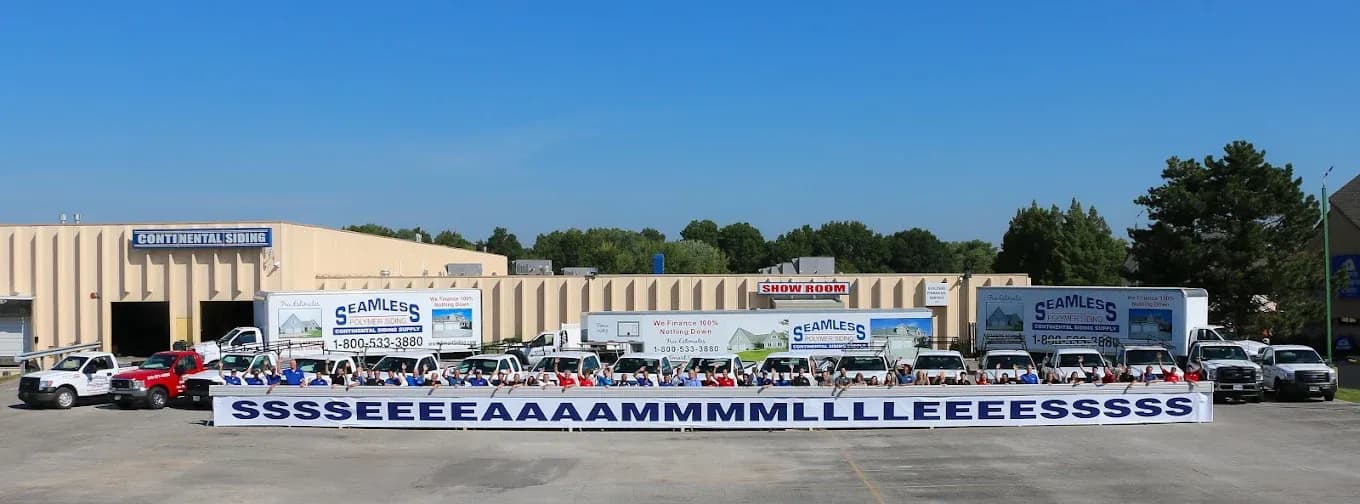
Visit a Showroom
Mon - Thu: 9am - 7pm
Fri: 9am - 6pm
Sat: 9am - 5pm
Sun: Closed
Appointment Only
Appointment Only
Appointment Only
Appointment Only
Appointment Only
Other Places You May Have Seen Us

HGTV
"Bargain Mansions", Season 3, Episode 5
ION TV
"World's Greatest", Season 13, Episode 280
KANSAS CITY MAGAZINE
Voted Best Local TV Commercial

Ingram's Magazine
40 Under 40 Award

BBB Torch Award
Award Winner
Fox4 News
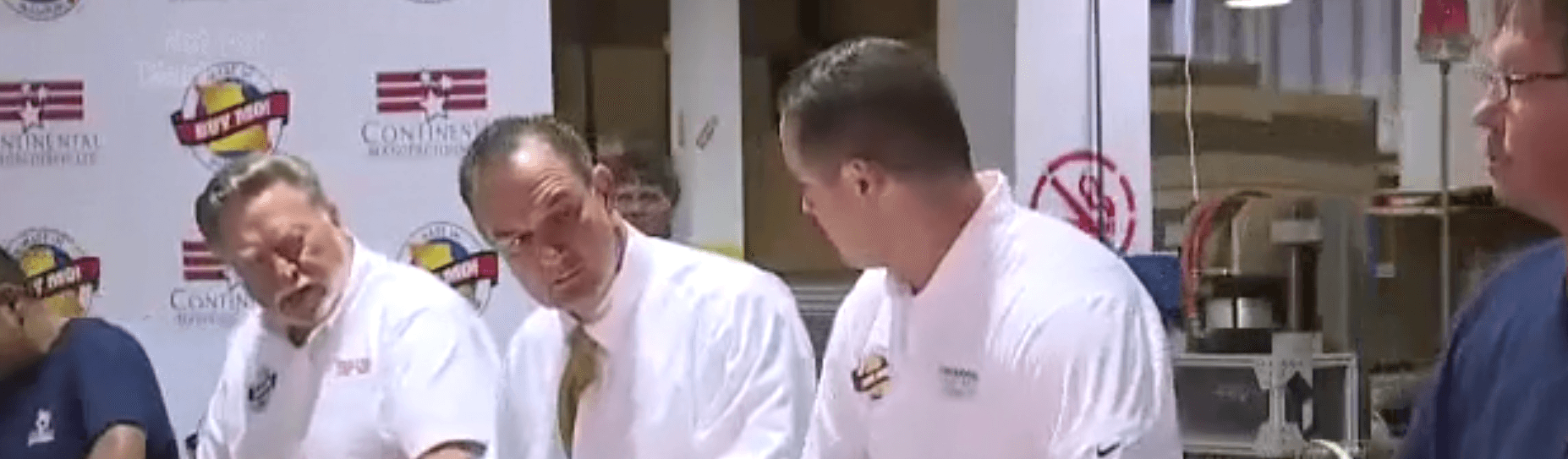
Lt. Governor Mike Kehoe visits Continental Siding
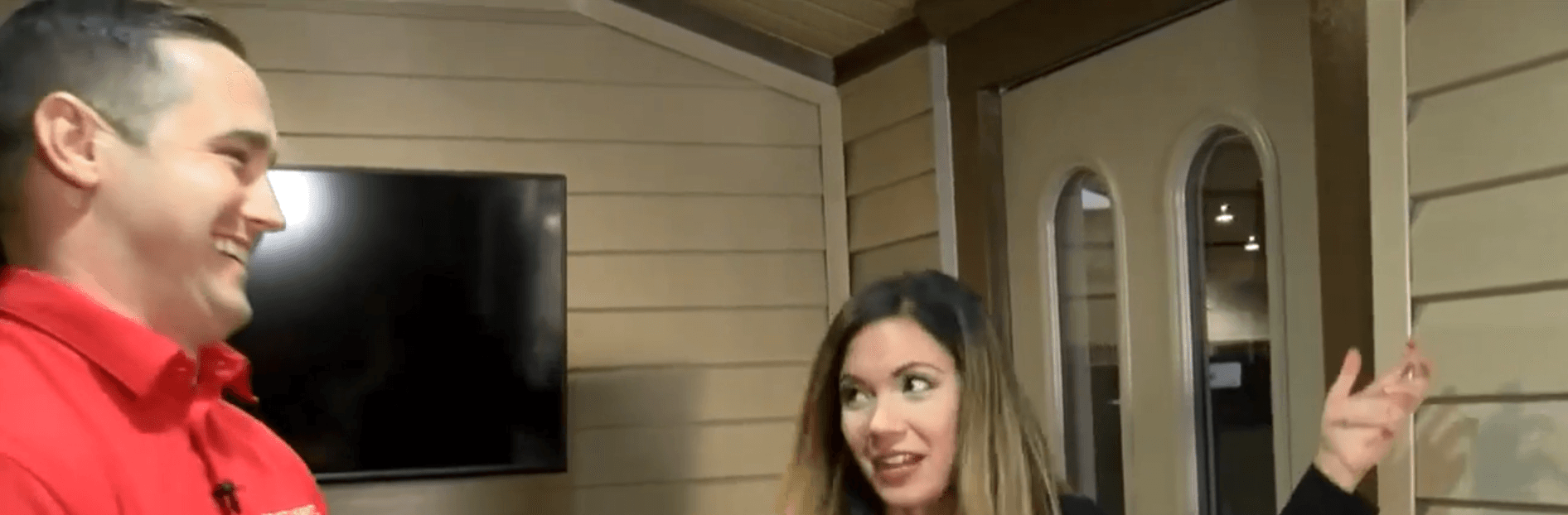
Product Demonstration
TV Interview from local home show

BBB Integrity
Award Winner
Manufacturer of the Year
Award Winner
A GREAT AMERICAN STORY
Chosen as the first featured company.
