

What Causes House Siding to Leak?
6 Ways Moisture Invades Your Home
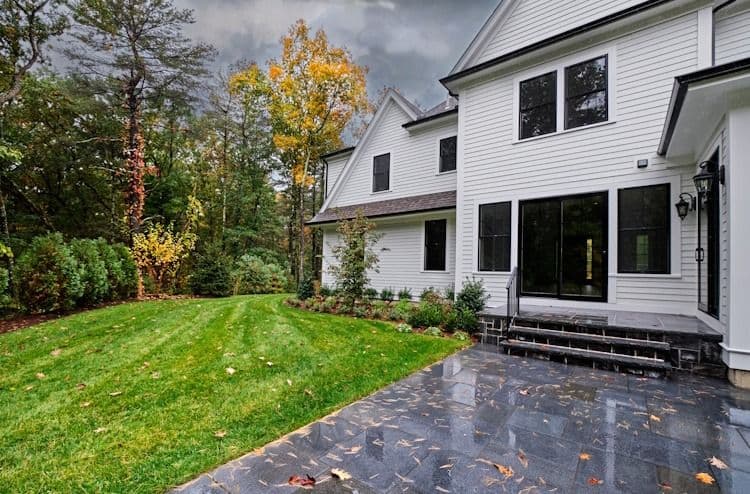
There’s an old saying that goes, “It’s what’s on the inside that counts.” But when it comes to siding for houses, what’s on the outside is just as important.
Over time, your siding can spring a leak, letting in rainwater and other outdoor moisture that can damage your home interior, grow mold, or do structural damage to your home’s framing.
Where do those pesky leaks come from, anyway? Let’s explore six common reasons why your siding can leak and how you can prevent it to maintain your home’s integrity.
1. Your House Siding Was Improperly Installed
It’s disheartening to invest in new siding, only to find out a contractor and his crew didn’t do the job right. It doesn’t matter whether your house has vinyl siding, engineered wood, or any other material; if it isn’t installed correctly, water can seep through gaps.
If your siding is not aligned correctly; isn’t sealed around corners, windows, and doors; or if it’s missing important parts, like house wrap, water can find a way inside.
Prevention Tip: Always hire a reputable house siding company. A local company with a positive reputation will be dedicated to your satisfaction and their craftsmanship.
2. Your Siding Is Aging
Most siding materials wear down over time, some faster than others. Storms can also speed up the process by causing damage you might not notice until it’s too late. As your siding degrades, it creates pathways for water to infiltrate the wall cavity.
Here are a few ways water may find its way in through popular siding materials.
- Vinyl house siding. Although it’s considered a long-lasting type of siding for houses, vinyl can become brittle and crack in extreme weather conditions or after long-term exposure to the sun’s harmful UV rays. Cracking can occur at any time after installation, especially after inclement weather.
- Engineered wood siding or shake shingles. Chemical treatments delay the development of wood rot, but engineered wood can still warp or crack. It will, however, eventually begin to decay. If unsealed and exposed to prolonged moisture, engineered wood can have visible signs of decay in just a few weeks.
- Stucco siding. As cracks form in your stucco due to natural shifts in your foundation, temperature variations, or impacts, water begins to seep inside. If water gets inside, you’ll need to address it quickly to prevent interior damage.
- Brick siding. Over time, the mortar between the bricks of your home’s facade wears away. Eventually, rain can enter your home through these gaps between the bricks. This can occur in just a few years, or decades, depending on the quality of mortar and craftsmanship.
- Cement board. Because cement board is not a type of seamless siding, there are opportunities for water to enter where boards join together, especially as caulking wears down or edges chip away.
Prevention Tip: Unfortunately, time-consuming exterior maintenance is the only way to prevent leaks caused by wear and tear to your house siding. Check your siding for signs of damage, and replace or repair any cracks or broken pieces. Repainting and caulking every few years can help protect engineered wood siding from moisture. Tuckpointing your brick siding can help make it impermeable to moisture.
3. Damaged or Missing Flashing
Flashing is strategically installed under your siding to direct water away from windows, doors, and roof joints. If your flashing is missing or damaged, rain can seep behind the siding and into your house. Leaking flashing is more common in houses with complex rooflines or window layouts.
Prevention Tip: Have a professional inspect your flashing. Replacing or repairing damaged flashing can prevent leaks from occurring in the future.
4. Poor Ventilation
When moisture builds up behind your house’s siding, it can be a sign that your home is poorly ventilated. When air doesn’t properly circulate behind your siding, moisture gets trapped, causing your sheathing to rot and eventually leading to a water leak inside your home. In some cases, long-term moisture build-up due to poor ventilation can cause mold or mildew to grow.
Poor ventilation doesn’t only invite rainwater. It can also cause condensation to collect and build up. Condensation is often due to high humidity levels.
Prevention Tip: Ensure your home has adequate ventilation, especially in your attic, basement, or crawl space. This can help prevent moisture build-up behind your siding. When you eventually replace your siding, ensure the construction crew installs a breathable house wrap (sometimes called a vapor barrier) over your home’s sheathing and under your new siding.
5. Severe Weather Lets In Leaks
High winds, heavy rain, hail, and snow can damage your house siding. Unfortunately, it’s out of your control.
Vinyl siding is particularly vulnerable to hail and heavy wind. Hail can detach or crack panels and create openings for water to enter the wall. Heavy wind can lift slats of your house’s vinyl siding while simultaneously blowing rain into the wall. It’s truly a “perfect storm” for leaks!
Other common types of house siding are just as vulnerable to severe weather because they lack secure installation systems and are susceptible to impacts from hail or blowing debris.
Prevention Tip: Take steps to protect your home by choosing more storm-resistant siding options, like seamless polymer siding. Respond quickly if your siding sustains damage in a storm. Call a local siding crew for new siding installation or repair, and consult with your homeowner’s insurance carrier if needed.
6. Clogged Gutters and Downspouts
Clogged gutters and downspouts can overflow with rain, which in turn pools on the edge of your roof or around your foundation. Rain can enter your home through these areas.
If your siding doesn’t have much ground clearance, like if your home is built on a slab foundation, rain can seep behind it as it puddles around your house.
The longer rain pools on your roof or at your home’s foundation, the more likely it is that these parts of your home will begin to deteriorate.
Prevention Tip: Clean your gutters and downspouts to reduce your risk of clogs. Twigs, acorns, leaves, and other debris collect in them, preventing your gutters from doing their job. If you live in an area with heavy seasonal rainfall, you may consider having larger gutters installed to handle more water runoff.
Your House Siding Should Keep You Safe and Dry. What If It Doesn’t?
The siding on your home protects its structure and everything inside from the elements. Human error, wear and tear, and forces of nature can all cause your siding to leak.
If you’re experiencing water intrusion in your home and you aren’t sure why, it may be time to talk to a professional about upgrading your home’s exterior with a low-maintenance solution that solves your frustrations with your current siding.
Schedule a Consultation
+ Get Our Current Special

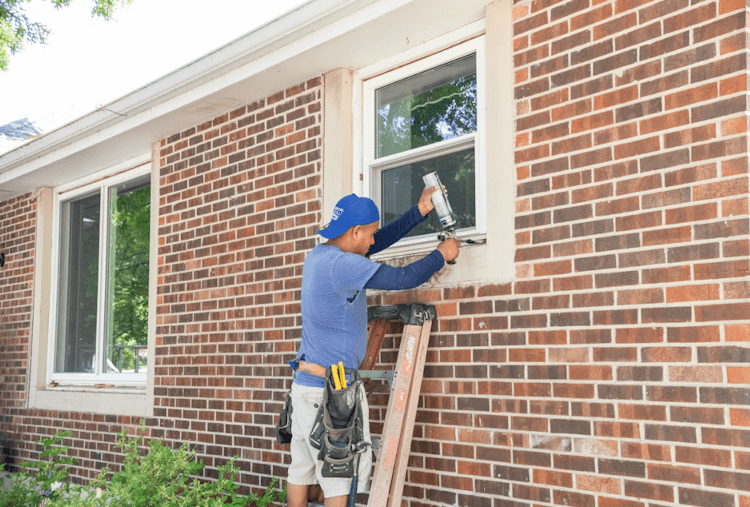
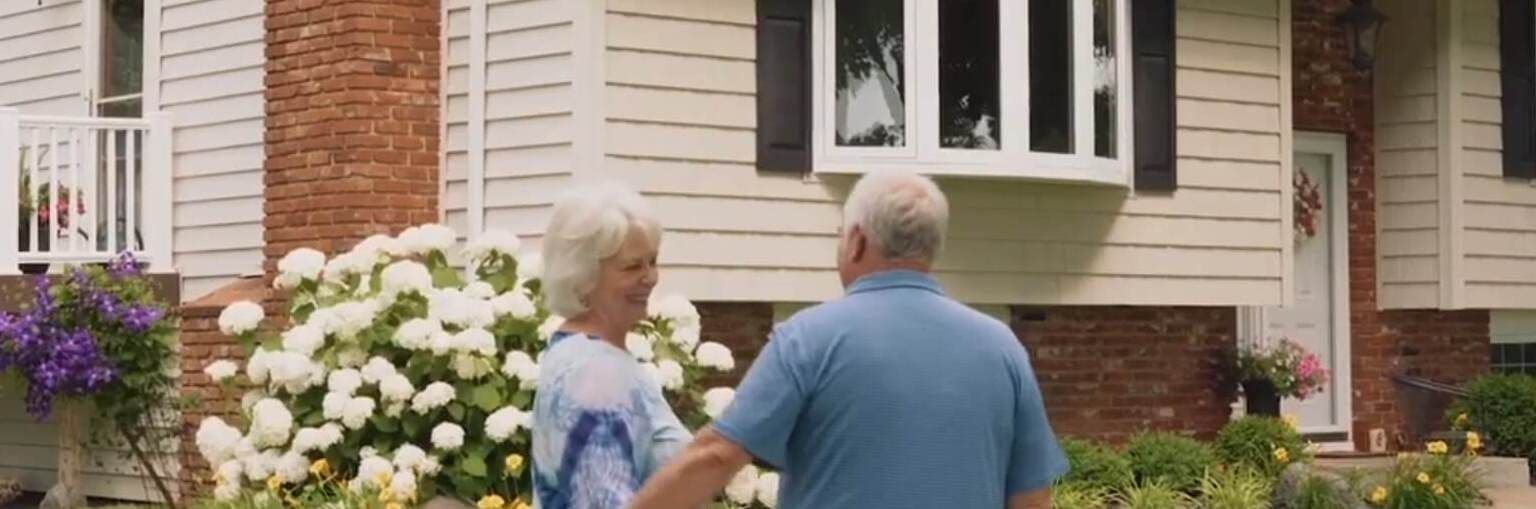
Real Customers That Really Love Their Home

His Home Was Falling Apart And He Had No Idea...Luckily We Found The Damage Just In Time








Schedule a Consultation
+ Get Our Current Special
Visit a Showroom

Mon - Thu: 9am - 7pm
Fri: 9am - 6pm
Sat: 9am - 5pm
Sun: Closed
Appointment Only
Appointment Only
Appointment Only
Appointment Only
Appointment Only
Other Places You May Have Seen Us

HGTV
"Bargain Mansions", Season 3, Episode 5

ION TV
"World's Greatest", Season 13, Episode 280

KANSAS CITY MAGAZINE
Voted Best Local TV Commercial

Ingram's Magazine
40 Under 40 Award

BBB Torch Award
Award Winner

Fox4 News
Lt. Governor Mike Kehoe visits Continental Siding

Product Demonstration
TV Interview from local home show

BBB Integrity
Award Winner

Manufacturer of the Year
Award Winner

A GREAT AMERICAN STORY
Chosen as the first featured company.
