

How Your Windows and Doors Can Affect Energy Bills More Than You Think
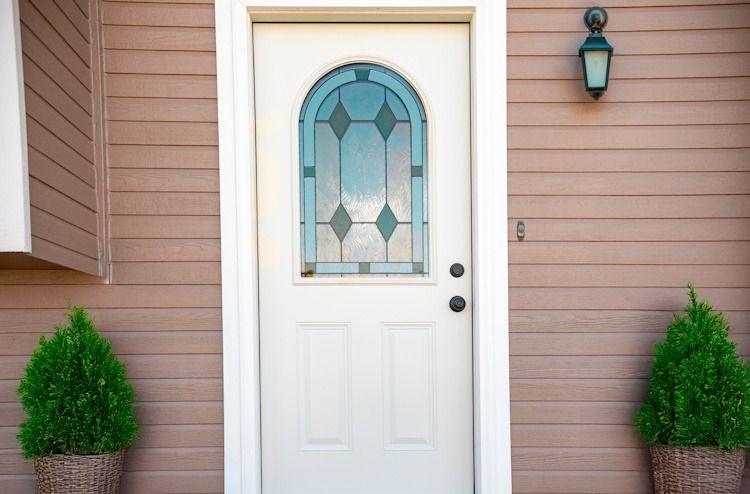
Why Windows and Doors Play a Bigger Role in Comfort Than You Think
When a home feels drafty in winter or overheated in summer, insulation is often blamed first. Attic depth, wall cavities, or HVAC performance tend to get the attention.
But one of the most overlooked contributors to energy loss is the condition and performance of windows and doors.
These exterior openings interrupt the continuous wall system of a home. They create necessary transitions between indoors and outdoors. And because they are thinner and more complex than insulated walls, they are often the weakest points in the building envelope.
Understanding how exterior materials influence energy transfer helps explain why comfort issues frequently trace back to aging or underperforming openings, even when nothing appears visibly damaged.
The Building Envelope: The Parts of Your Home That Keep Outside Air Out and Indoor Air In
A home’s “building envelope” refers to the barrier that separates interior conditioned air from the outside environment. This includes walls, insulation, roofing, and all exterior penetrations, especially windows and doors.
Walls are typically layered with framing, insulation, sheathing, weather barriers, and siding. By contrast, windows and doors rely heavily on glass, moving components, seals, and frame materials.
Because these areas are thinner and include joints, they are more vulnerable to:
- Air infiltration.
- Conductive heat transfer.
- Heat from direct sunlight.
- Moisture intrusion.
Even minor weaknesses in sealing or materials can create noticeable performance differences.
Air Leaks: The Invisible Energy Drain
Air infiltration is one of the largest contributors to energy loss around windows and doors.
Over time, seals compress. Weatherstripping wears down. Frames expand and contract with seasonal temperature changes. Small gaps develop between moving parts and surrounding trim.
These openings may not be visible, but air can pass through them continuously. In winter, heated indoor air escapes while cold air enters. In summer, cooled air leaks out while warm, humid air seeps in.
This exchange forces HVAC systems to work harder to maintain stable temperatures.
Drafts near entry doors or window frames are often subtle — felt only when sitting nearby. But across an entire home, these small inefficiencies add up significantly.
Heat Transfer Through Glass
Glass behaves very differently from insulated wall assemblies.
Older single-pane windows offer minimal resistance to heat transfer. Even early double-pane units may lack modern low-emissivity coatings that reflect interior heat back into the home during winter and reduce solar heat gain in summer.
As technology has evolved, glass performance has improved dramatically. However, many existing homes still contain aging units that no longer perform at modern efficiency levels.
When evaluating comfort issues, it’s important to recognize that glass surfaces can create temperature imbalances. In winter, cold glass radiates cool air into nearby living spaces. In summer, direct sun exposure increases heat gain.
This is why discussions around window and door replacement often center on comfort as much as efficiency.
Frame Materials Matter
The material surrounding the glass plays a critical role in overall performance.
Different frame types — vinyl, wood, aluminum, composite — conduct heat at different rates. Metal frames, for example, transfer heat more readily than insulated composite systems. Wood can provide natural insulation, but may expand or contract with moisture.
As frames age, structural rigidity may decline, alignment shifts, and compression seals may not close as tightly.
Even without visible deterioration, frame performance can weaken gradually. When homeowners begin searching for “doors and windows near me,” they are often responding to these subtle signs of discomfort rather than obvious damage.
Understanding how frame materials interact with temperature and moisture helps explain why aging units can feel drafty even when they appear intact.
Door Systems and Built-in Barriers That Slow Heat Transfers
Exterior doors are another major transition point in the building envelope.
Solid-core construction, insulated cores, and proper threshold sealing are essential for minimizing energy transfer. However, worn weatherstripping, misaligned hinges, or threshold gaps can compromise performance.
Sliding patio doors are particularly vulnerable due to large glass areas and moving tracks. If rollers wear down or seals deteriorate, infiltration increases.
Because entry systems are frequently used, operational wear can accelerate energy loss. Small misalignments that seem minor can allow measurable air movement.
For homeowners considering window and door replacement, these performance factors are often more important than cosmetic concerns.
Moisture and Hidden Energy Consequences
Energy loss and moisture intrusion often go hand in hand.
When air leaks through gaps around windows and doors, it carries moisture with it. In colder climates, warm interior air condenses when it meets cold exterior surfaces. Over time, this can contribute to wood rot, insulation degradation, or mold growth inside wall cavities.
Moisture-damaged insulation loses effectiveness, further increasing energy inefficiency.
What begins as a minor draft can evolve into a more complex structural concern if not addressed.
Real-World Performance vs. Appearance
A common misconception is that windows and doors must show obvious damage before affecting efficiency.
In reality, performance declines gradually. Seal degradation, frame movement, and glass aging occur slowly over time. Because the change is incremental, homeowners may not recognize the impact until comfort issues become persistent.
When comparing window and door companies, it’s important to focus not only on aesthetics but also on installation quality and building science principles.
Proper flashing, insulation around frames, and air sealing determine whether new windows and doors perform as intended.
Why Comfort Often Signals Efficiency Issues
Rising energy bills are one indicator of energy loss, but comfort is often the first clue.
Cold spots near windows. Noticeable drafts by entry doors. Temperature swings between rooms. These experiences suggest the building envelope is no longer functioning optimally. Exterior materials regulate airflow, heat transfer, and interior stability.
When these materials age or deteriorate, the impact is felt daily.
A Broader Perspective on Energy Loss
Energy efficiency is rarely the result of a single component. It’s the combined performance of insulation, ventilation, sealing, and exterior materials working together.
However, because windows and doors interrupt the continuous insulation layer of walls, they play an outsized role in overall comfort.
Understanding how air leaks, heat moving through materials like glass and frames, and moisture infiltration interact provides clarity when evaluating performance concerns.
What may seem like a small draft can represent a larger systemic inefficiency.
Recognizing the role of exterior materials in energy loss allows homeowners to make informed decisions — not based on appearance alone, but on how the home truly performs.
Schedule a Consultation
+ Get Our Current Special



Real Customers That Really Love Their Home

His Home Was Falling Apart And He Had No Idea...Luckily We Found The Damage Just In Time









Schedule a Consultation
+ Get Our Current Special
Visit a Showroom

Mon - Thu: 9am - 7pm
Fri: 9am - 6pm
Sat: 9am - 5pm
Sun: Closed
Appointment Only
Appointment Only
Appointment Only
Appointment Only
Appointment Only
Other Places You May Have Seen Us

HGTV
"Bargain Mansions", Season 3, Episode 5

ION TV
"World's Greatest", Season 13, Episode 280

KANSAS CITY MAGAZINE
Voted Best Local TV Commercial

Ingram's Magazine
40 Under 40 Award

BBB Torch Award
Award Winner

Fox4 News
Lt. Governor Mike Kehoe visits Continental Siding

Product Demonstration
TV Interview from local home show

BBB Integrity
Award Winner

Manufacturer of the Year
Award Winner

A GREAT AMERICAN STORY
Chosen as the first featured company.
